Cinematic Power in Every Frame
The Nikon ZR 6K Cinema Camera Body is built for creators who refuse to compromise on quality. With its stunning 6K resolution, the camera delivers cinematic-grade visuals packed with extraordinary detail, color accuracy, and dynamic range. Whether you are capturing feature films, commercials, or creative projects, this powerhouse ensures your story looks as immersive as you imagined it.
Filmmakers often face the challenge of achieving true-to-life visuals without heavy post-production work. The ZR 6K solves this by offering rich tonal gradation and sharpness straight out of the camera, saving both time and effort in your workflow.
Advanced Sensor and Professional Image Quality
At the heart of the ZR 6K is a state-of-the-art full-frame sensor engineered for cinema. It captures every nuance, from the deepest shadows to the brightest highlights, ensuring your footage retains cinematic richness. With impressive low-light sensitivity, filmmakers no longer have to worry about noisy or muddy shots during evening or indoor shoots.
One of the biggest frustrations with digital cinema cameras is handling extreme lighting conditions. With its wide dynamic range, the Nikon ZR 6K handles these challenges effortlessly, giving you greater flexibility in every frame.
Robust Build and Streamlined Ergonomics
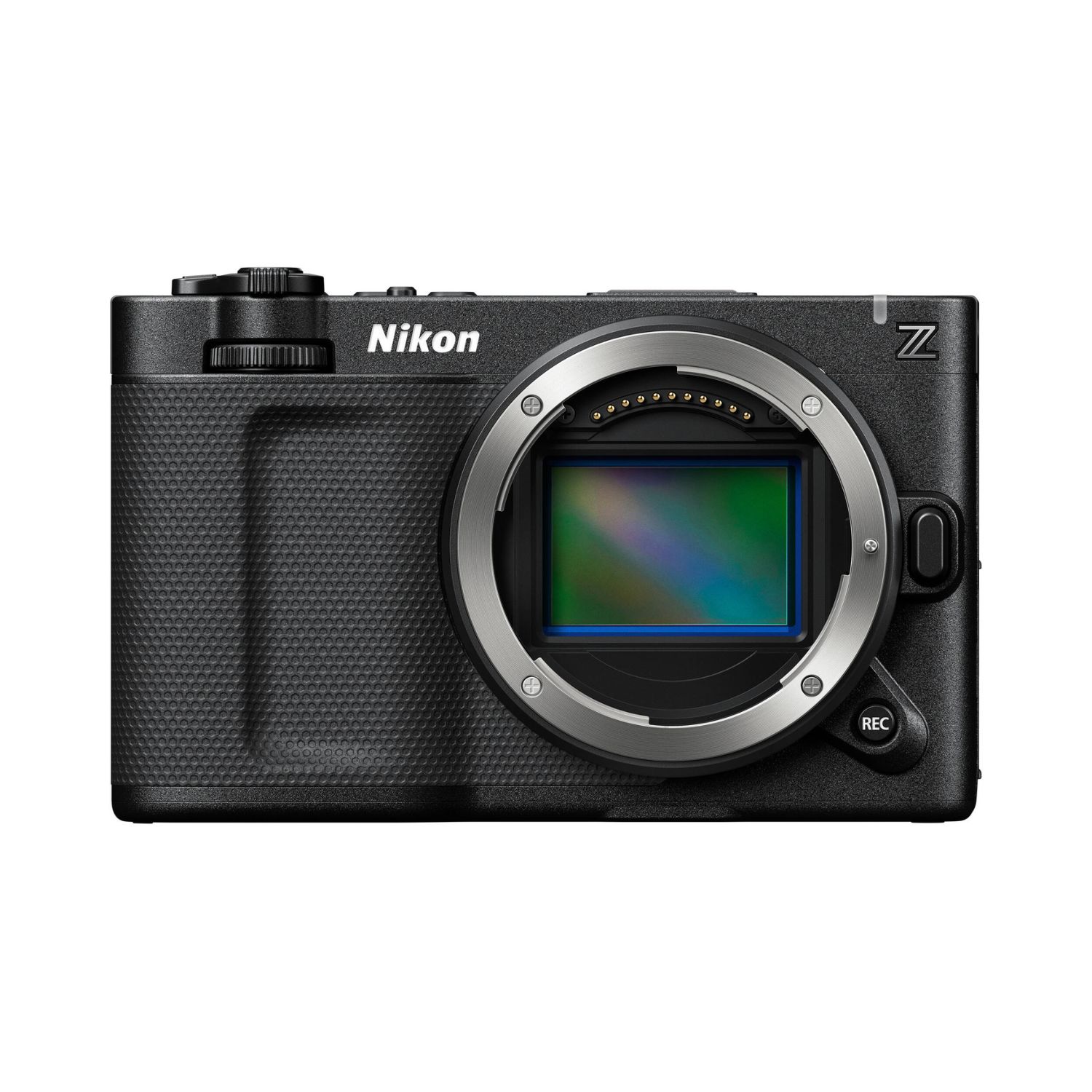
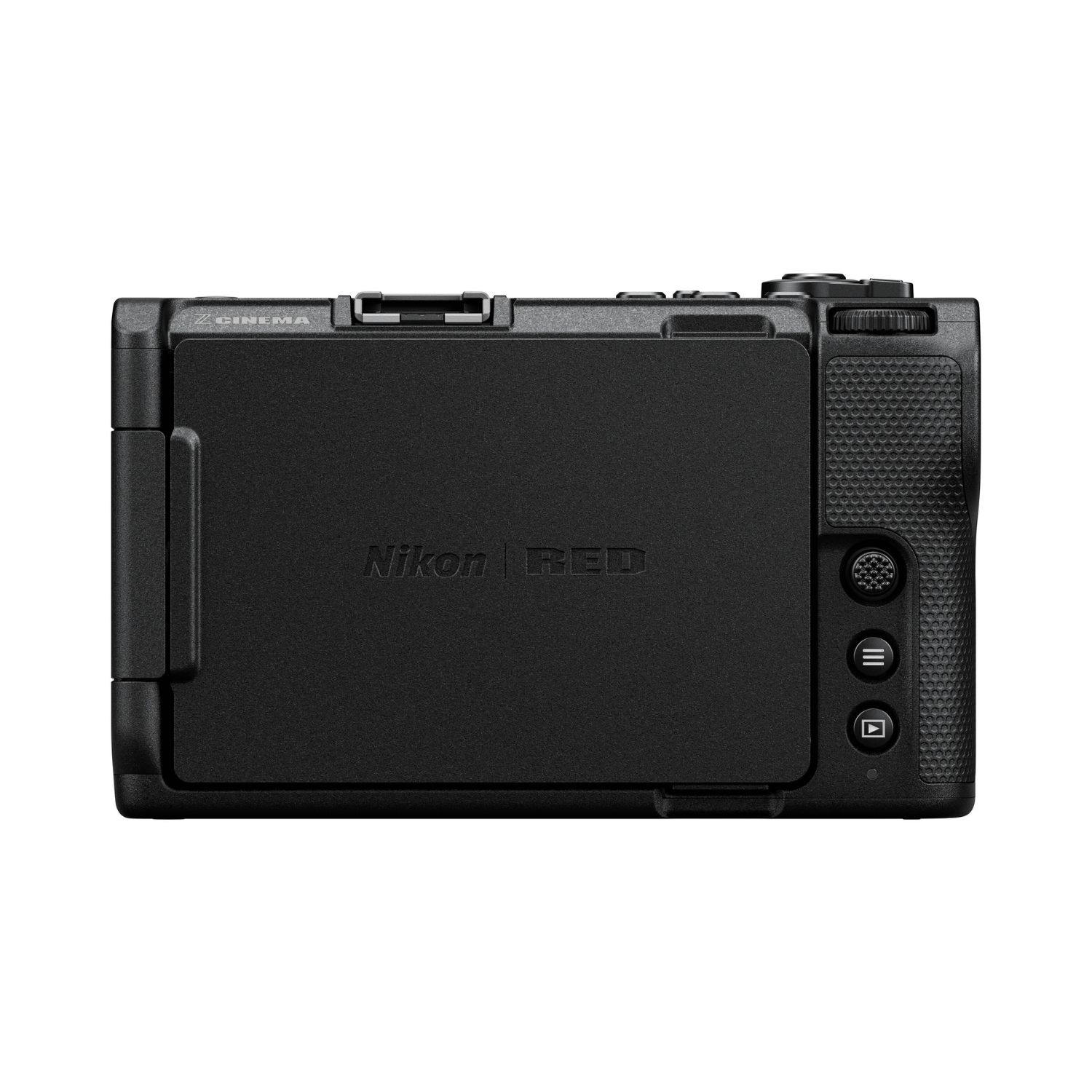
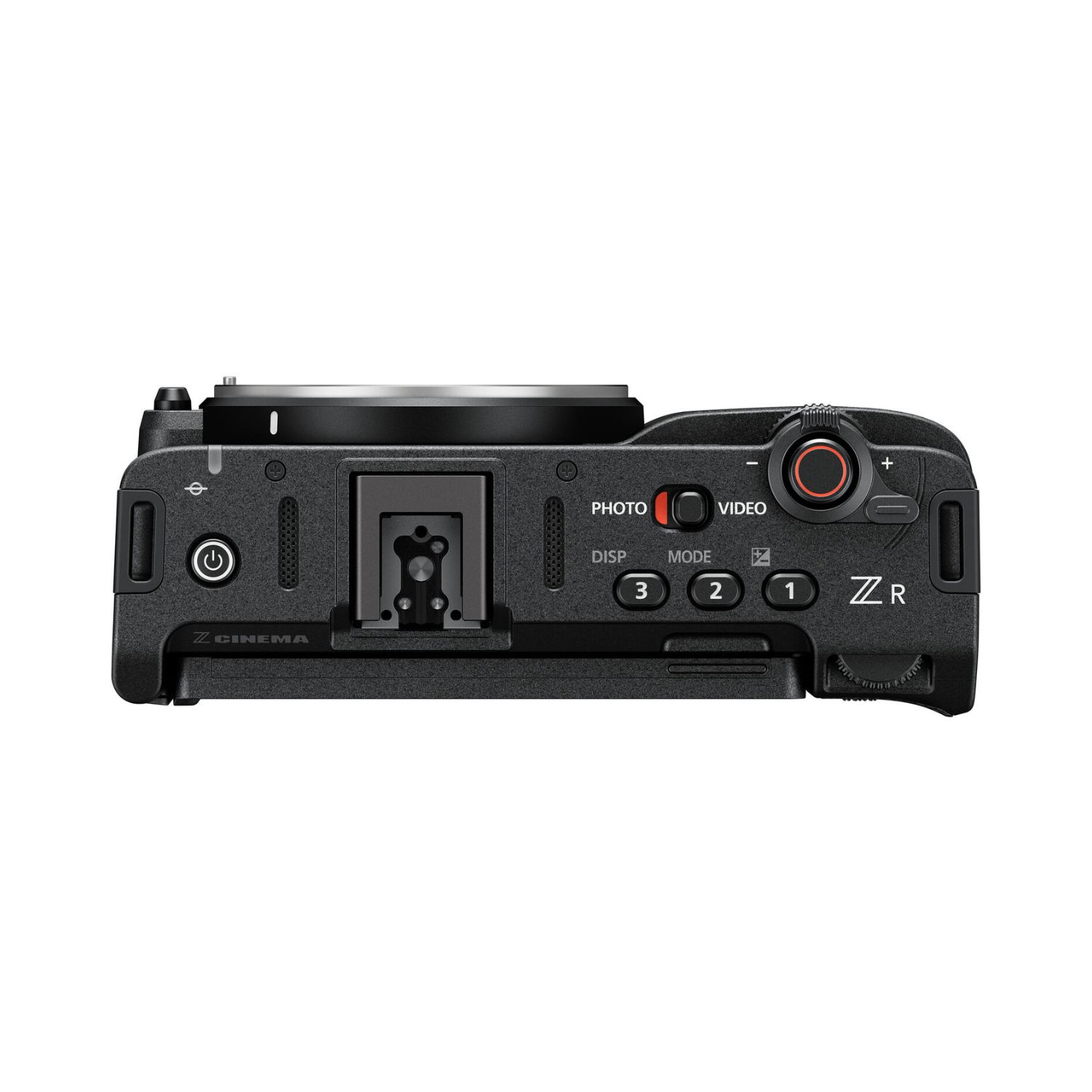
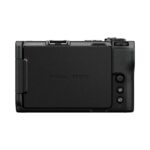
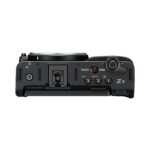
Crafted with durability and practicality in mind, the Nikon ZR 6K is built for professional sets. Its rugged magnesium alloy body withstands demanding shooting environments while maintaining lightweight portability. The intuitive control layout allows for fast adjustments on set, helping cinematographers stay focused on creativity rather than fumbling with menus.
Traditional cinema rigs often frustrate users with bulkiness. The ZR 6K addresses this by offering a compact yet professional design that adapts seamlessly to gimbals, drones, or handheld use without sacrificing performance.
Connectivity and Workflow Integration
Modern filmmakers require seamless connectivity, and the ZR 6K delivers. With professional-grade inputs, outputs, and high-speed transfer options, it integrates smoothly with your existing production ecosystem. Whether working in studio setups or on-the-go, the camera supports reliable connections to monitors, recorders, and sound systems.
A common pain point for creators is slow file management. With its efficient recording formats and high-speed data transfer, the Nikon ZR 6K streamlines your workflow so you can focus more on creating and less on waiting.
Creative Freedom with Customization
From frame rates to color profiles, the Nikon ZR 6K provides extensive customization options. Shoot in cinematic 24p for dramatic storytelling, switch to higher frame rates for fluid slow-motion sequences, or fine-tune the look with multiple picture profiles. This level of control gives filmmakers the freedom to shape their visual language exactly how they envision it.
Instead of relying heavily on external tools, this camera minimizes frustrations by offering in-body flexibility, allowing creators to achieve stunning results directly from the camera itself.
Who Should Use Nikon ZR 6K Cinema Camera Body Only
The Nikon ZR 6K Cinema Camera is ideal for filmmakers, cinematographers, production houses, documentary creators, and content professionals who demand uncompromising cinematic quality and reliable performance.
Why Should You Use Nikon ZR 6K Cinema Camera Body Only
You should choose the Nikon ZR 6K because it empowers you to produce cinematic-quality footage with unmatched clarity, efficient workflows, and rugged reliability. It solves common pain points like poor low-light performance, bulky rigs, and limited customization, making it the perfect partner for professional storytelling.
Specifications
Specifications
Type
Type
Digital camera with support for interchangeable lenses
Lens Mount
Nikon Z mount
Mount Type
Nikon Z mount
Picture Angle
Full-frame / FX-Format
Image Sensor
Sensor Size
35.9 mm x 23.9 mm
Image Sensor Type
CMOS
Total Pixels
26.79 million
Dust-Reduction System
Image Dust Off reference data (requires NX Studio)
5376 x 3024 (5.4K): 59.94p/50p/29.97p/25p/23.976p 3840 x 2160 (4.0K): 119.88p/100p/59.94p/50p/29.97p/25p/23.976p 1920 x 1080: 239.76p/200p/119.88p/100p/59.94p/50p/29.97p/25p/23.976p (RAW) 6048 × 3402 (6.0K): 59.94p/50p/29.97p/25p/23.976p 4032 × 2268 (4.0K): 59.94p/50p/29.97p/25p/23.976p 3984 × 2240 (4.0K): 119.88p/100p/59.94p/50p/29.97p/25p/23.976p
Video Compression
R3D NE (12-bit) , N-RAW (12 bit) , Apple ProRes RAW HQ , Apple ProRes 422 HQ , H.265/HEVC (8 bit/10 bit) , H.264/AVC (8 bit)
Audio Recording Format
Linear PCM (48 KHz, 24-bit or 32-bit float, for videos recorded in R3D, NEV or MOV format) AAC (48 KHz, 16-bit, for videos recorded in MP4 format)
Audio Recording Device
Built-in microphone or external microphone can be used; 32bit float recording via 3.5mm mini pin jack and built-in microphone. external audio devices can be used via line input and Digital accessory shoe, audio directivity (OZO Audio), audio input sensitivity adjustable; attenuator, frequency response, and wind noise reduction functions
Recording/Playback Time
Up to approx. 125 minutes (When recorded in R3D NE 6K 59.97p, with auto temperature cutout set to [High], at 25°C /77 °F, paired with an external power source)
Exposure Compensation
‘-3 to +3 EV (choose from step sizes of ¹⁄₃ and ¹⁄₂ EV)
Active D-Lighting
Auto, Extra high, High, Normal, Low, and Off Note: When using RED picture control, Active D-Lighting must be set to [Extra High] for optimized exposure. With User Settings1 [Cinematic Video] mode, it is set by default.
Proxy Recording(Audio)
AAC
Proxy Recording(Video)
1920×1080, MP4
Other options for video recording
Time-lapse video recording, electronic vibration reduction, time codes, REC lamp, N-Log and HDR (HLG) video, waveform display, red REC frame indicator, video recording display zoom (50%, 100%, 200%, and 400%), extended shutter speeds (modes S and M), and dual-format (proxy video) recording for RAW video; option to view video recording info available via i menu; breathing compensation, Hi-Res Zoom, Preset User Setting 1[Cinematic video] and User Setting 2 [Slow-motion video]
Picture Control System
Picture Control
Auto , Standard , Neutral , Vivid , Monochrome , Flat Monochrome , Deep Tone Monochrome , Portrait , Rich Tone Portrait , Landscape , Flat Creative Picture Controls (Dream, Morning, Pop, Sunday, Somber, Dramatic, Silence, Bleached, Melancholic, Pure, Denim, Toy, Sepia, Blue, Red, Pink, Charcoal, Graphite, Binary, Carbon); selected Picture Control can be modified; storage for Custom Picture Controls, Cloud Picture Controls Note: Custom Picture Control (C-1 to C-9); can be modified; [CineBias_RED] modified with flexible color is stored in C-1 by default Choice of Picture Controls is restricted to Standard, Monochrome, and Flat when HLG is selected for tone mode during still photography. Compatible with Cloud Picture Control.
Either card can be used for overflow or backup storage, for separate storage of NEF (RAW) and JPEG or HEIF pictures, or for storage of duplicate JPEG or HEIF pictures at different sizes and image qualities; pictures can be copied between cards.
Focus / Autofocus
Focus Point
Video mode: Up to 253 points, Photo mode: Up to 299 points
AF-Area Mode
Pinpoint (available in photo mode only), single-point, dynamic-area (S, M, and L; available in photo mode only), wide-area (S, L, C1, and C2), and auto-area AF; 3D-tracking (available in photo mode only); subject-tracking AF (available in video mode only)
Lens Servo
Autofocus (AF): Single-servo AF (AF-S) , continuous-servo AF (AF-C) , full-time AF (AF-F; available only in video mode) AF mode auto-switch (AF-A, photo mode only), predictive focus tracking Manual focus (M): Electronic rangefinder can be used
Detection Range
-10 to +19 EV Measured in photo mode at ISO 100 equivalent and a temperature of 20 °C/68 °F using single-servo AF (AF‑S) and a lens with a maximum aperture of f/1.2
Autofocus System
Hybrid phase-detection/contrast AF with AF assist
Exposure
Metering System
TTL metering using camera image sensor
Metering Mode
‘Matrix metering Center-weighted metering: Weight of 75% given to 12 or 8 mm circle in center of frame or weighting can be based on average of entire frame Spot metering: Meters circle with a diameter of approximately 4 mm centered on selected focus point Highlight-weighted metering
Range
-4 to +17 EV Figures are for ISO 100 equivalent and f/2.0 lens at 20 °C/68 °F
Mode
AUTO: auto, P: programmed auto with flexible program, S: shutter-priority auto, A: aperture-priority auto, M: manual
Exposure Compensation
-5 to +5 EV (choose from step sizes of ¹⁄₃ and ¹⁄₂ EV)
2 s, 5 s, 10 s, 20 s; 1–9 exposures at intervals of minimum, 0.5, 1, 2, or 3 s
Playback
Playback
Full-frame and thumbnail (up to 4, 9, or 72 pictures) playback with playback zoom, playback zoom cropping, video playback, slide shows, histogram display, highlights, photo information, location data display, auto picture rotation, picture rating, filtered playback, voice memo recording and playback, IPTC information embedding and display, skip to first shot in series, series playback, save consecutive frames, loop playback, and motion blend
External Interface
HDMI output connector
Type D HDMI connector
External audio input
Stereo mini-pin jack (3.5 mm diameter; plug-in power and line input supported), Digital accessory shoe
Audio output/remote cord
Stereo mini-pin jack (3.5 mm diameter)
Accessory Terminal
Build-in (can be used with MC-DC3 remote cords and other optional accessories) Note: Auto switch between headphone and remote cord is available.
Monitor
Monitor Size
( 4.0 –in.) diagonal
Monitor Resolution
Approx. 3070 k-dot
Monitor Type
vari-angle TFT touchsensitive LCD with 160° viewing angle, approximately 100% frame coverage, and color balance and 15-level manual brightness controls
Shutter
Shutter Type
Electronic shutter with shutter sound
Flash Sync Speed
Flash synchronizes with shutter at 1/60 s or slower
Shutter Speed
¹⁄₁₆₀₀₀ to 30 s (choose from step sizes of ¹⁄₃, ¹⁄₂, and 1 EV, extendable to 900 s in mode M), bulb, time
Bracketing
Bracketing Types
Exposure and/or flash , white balance , ADL
Vibration Reduction (VR)
Camera on-board VR
5-axis image sensor shift
Lens on-board VR
Lens shift (available with VR lenses)
Power
Battery / Batteries
One EN‑EL15c rechargeable Li-ion battery* *EN‑EL15b and EN‑EL15a batteries can be used in place of the EN‑EL15c. Note, however, that fewer pictures can be taken on a single charge than with the EN‑EL15c. EH-8P AC adapters can be used to charge EN‑EL15c and EN‑EL15b batteries only.
AC Adapter
EH-8P AC adapters (available separately); supplied USB cable required
Battery Endurance Operating Time
Approx. 90 min
Miscellaneous
Supplied Accessories
BS-D1 digital accessory shoe cover (comes attached to camera), BF-N1 body cap, EN‑EL15c rechargeable Li-ion battery, AN-DC26 strap, USB cable (featuring Type C connectors at both ends)
Weight
Approx. 630 g (1 lb. 6.3 oz ) with battery and memory card but without body cap and digital accessory shoe cover; approx. 540 g/1 lb. 3.1 oz (camera body only)
Dimensions (W × H × D)
Approx. 133 x 80.5 x 49 mm ( 5.2 x 3.2 x 2 in.)
Tripod Socket
0.635 cm (1/4 in., ISO 1222)
WiFi
Standards: IEEE 802.11b/g/n/a/ac (Africa, Asia, Europe, Oceania, U.S.A., Canada, and Mexico) IEEE 802.11b/g/n/a (other countries in the Americas) Operating frequency: – Asia, Africa (excluding the countries listed below), the Middle East (excluding the countries listed below), Armenia, Guam, New Caledonia, and Tahiti: 2412– 2462 MHz (channel 11) and 5745–5805 MHz – Europe (other than Armenia, Azerbaijan, and Georgia), Cyprus, India, Israel, and Turkey: 2412–2472 MHz (channel 13) and 5180–5825 MHz (5180–5700 MHz and 5745–5825 MHz) – U.S.A., Canada, Mexico, Australia, New Zealand, and the Republic of Fiji: 2412-2462 MHz (channel 11) and 5180-5825 MHz (5180-5580 MHz, 5660-5700 MHz, and 5745-5825 MHz) – Algeria, Azerbaijan, Egypt, Georgia, Morocco, and the Republic of the Congo: 2412–2462 MHz (channel 11) and 5180-5320 MHz – Other countries in the Americas: 2412-2462 MHz (channel 11) and 5180-5805 MHz (5180-5320 MHz and 5745-5805 MHz) Maximum output power (EIRP): 2.4 GHz band: 8.1 dBm 5 GHz band: 8.8 dBm Authentication: Open system, WPA2-PSK, WPA3-SAE
Bluetooth
Communication protocols: Bluetooth Specification Version 5.0 Operating frequency: Bluetooth: 2402 to 2480 MHz Bluetooth Low Energy: 2402 to 2480 MHz Maximum output power (EIRP): Bluetooth: 2.6 dBm Bluetooth Low Energy: 1.1 dBm
FAQs for the Nikon ZR 6K Cinema Camera Body Only
1. What makes the Nikon ZR 6K Cinema Camera ideal for professional filmmaking?
The Nikon ZR 6K Cinema Camera delivers full-frame 6K recording with outstanding dynamic range, precise color reproduction, and flexible frame rates, making it a powerful tool for professional cinematographers and independent filmmakers looking for cinematic image quality.
2. Can the Nikon ZR 6K handle low-light shooting conditions effectively?
Yes, the Nikon ZR 6K is designed with advanced low-light performance, allowing filmmakers to capture clean, sharp footage with minimal noise, even in dimly lit environments or nighttime shoots.
3. Does the Nikon ZR 6K Cinema Camera support slow-motion recording?
The camera offers multiple frame rate options, including high-speed modes that allow smooth slow-motion recording, giving filmmakers the ability to add creative flair and dramatic storytelling to their visuals.
4. Is the Nikon ZR 6K Cinema Camera easy to carry and rig?
With its compact and ergonomic design, the Nikon ZR 6K is lightweight enough for handheld shooting yet versatile for mounting on rigs, stabilizers, or drones, making it suitable for both studio and on-location productions.
5. What type of projects is the Nikon ZR 6K Cinema Camera best suited for?
The Nikon ZR 6K is built for cinematic filmmaking, commercials, documentaries, music videos, and any professional video project that demands high-resolution recording, cinematic depth, and production-level reliability.
6. Does the Nikon ZR 6K support professional audio integration?
Yes, the Nikon ZR 6K Cinema Camera is compatible with professional audio inputs and monitoring tools, ensuring crystal-clear sound recording alongside high-quality visuals, which is essential for on-set production.
7. How durable is the Nikon ZR 6K Cinema Camera for outdoor use?
Built with a rugged body and weather-resistant construction, the Nikon ZR 6K can withstand challenging shooting conditions, giving filmmakers confidence when working outdoors or in unpredictable environments.
8. Can I monitor footage directly while shooting with the Nikon ZR 6K?
The camera supports external monitoring and professional on-set workflows, allowing cinematographers to preview and adjust footage in real time for maximum creative control.
9. What lenses are compatible with the Nikon ZR 6K Cinema Camera?
The Nikon ZR 6K supports a wide range of Nikon Z-mount lenses and can be adapted for use with various professional cinema lenses, giving filmmakers flexibility to choose the right glass for their projects.
10. Why should I invest in the Nikon ZR 6K over other cinema cameras?
The Nikon ZR 6K offers a balance of cutting-edge 6K image quality, portability, and professional-grade features at a competitive price, making it an excellent choice for filmmakers who want uncompromised performance without the bulk of traditional cinema rigs.
Brand
Nikon
Reviews
There are no reviews yet.
Be the first to review “Nikon ZR 6K Cinema Camera Body Only”Cancel Reply

Reviews
There are no reviews yet.